When the Opening Slaps Harder Than the Whole Show: Anime Themes That Became Bigger Than Their Series
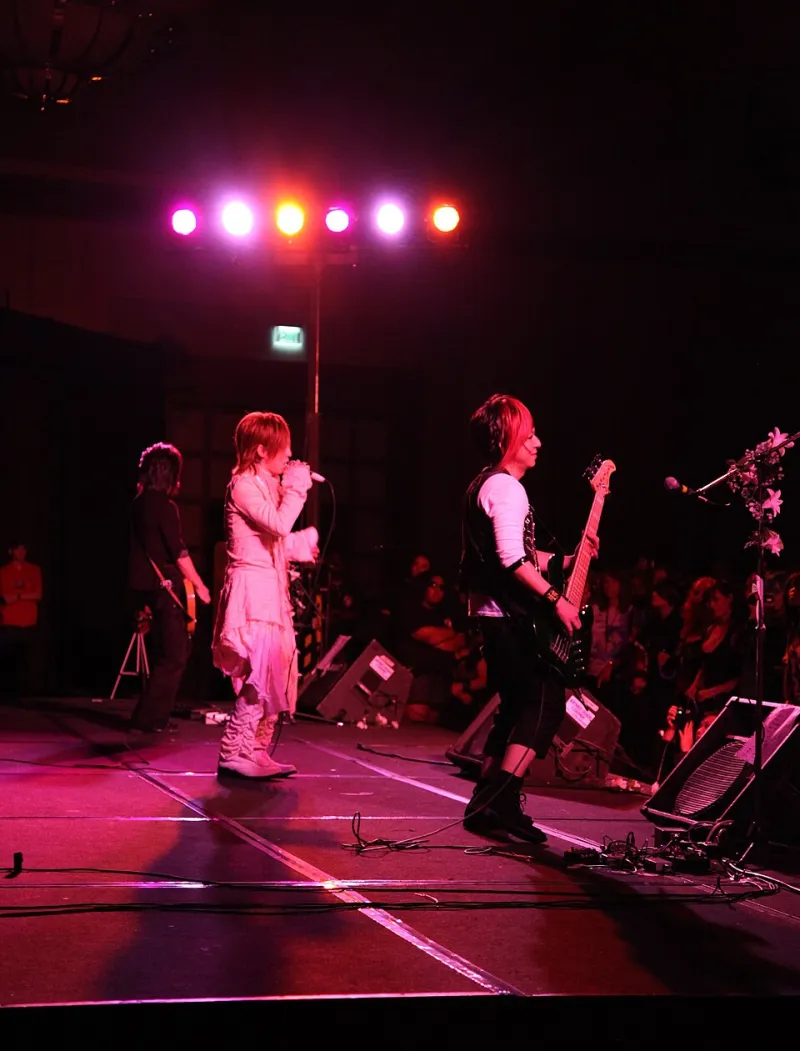
Photo: millermz, CC BY 2.0, via Wikimedia Commons
Let's be honest with each other for a second. You've done it. I've done it. We've all hit play on a show we'd basically given up on, sat through the entire opening sequence with full religious attention, and then immediately minimized the tab the moment the actual episode started. There's no shame in it. Some anime openings are just built different — and the wild part is that sometimes, the series attached to them barely deserves the hype those themes generate.
This isn't a hit piece on bad anime. It's more of a love letter to the composers, animators, and vocalists who somehow poured more soul into 88 seconds than a writing room managed across 24 episodes. Because that gap — between a transcendent OP and a perfectly forgettable show — is one of the most fascinating phenomena in fan culture.
The "Skip Intro" Button Has Never Been More Disrespected
Netflix trained us to skip intros without thinking. Anime fans broke that habit entirely. There's a reason YouTube is littered with "anime openings compilation" videos pulling tens of millions of views — some of those uploads have more engagement than full episode streams of the same series. That's not an accident.
Take Guilty Crown. Go ahead, bring it up in any anime Discord and watch the room divide instantly. The show itself? Famously messy storytelling, a protagonist that made fans want to throw their remotes through walls, and a plot that seemed to actively argue with itself. But Bios and My Dearest by Supercell? Untouchable. The opening animation alone — all kinetic energy and gorgeous visual metaphor — felt like a promise the show kept breaking. Fans kept watching, at least partially, because they wanted the series to eventually become what that opening swore it would be.
That's the trap, and it's a beautiful one.
Production Magic vs. Story Reality
Here's what's actually happening behind the scenes: anime openings are often produced by entirely different creative teams than the people running the main series. Top-tier animation studios, chart-topping J-pop acts, and music video directors get brought in specifically to craft the opening as a marketing artifact. It's essentially a 90-second commercial designed to hook you and set an emotional tone.
When that commercial is better than the product it's selling, it creates a weird cognitive dissonance. Soul Eater had one of the most energetic, stylish openings of its era — Resonance by T.M. Revolution felt like a rocket launch every single time. The show itself was genuinely solid for a big chunk of its run, but that anime-original ending still haunts people. Meanwhile, the opening lives rent-free in the heads of an entire generation of American fans who discovered it on Toonami.
Or consider Sword Art Online II. The second season's opening, Ignite by Eir Aoi, hit a level of anthemic energy that the Phantom Bullet arc's pacing couldn't quite match. Fans weren't wrong to love it — they were just loving something slightly adjacent to the actual show.
The Community Ritual of the Rewatch
Something interesting happens when a great OP becomes culturally bigger than its series: the opening becomes a communal object. It stops belonging to the anime and starts belonging to the fandom. People who've never watched a single episode of Neon Genesis Evangelion know A Cruel Angel's Thesis. That song has been covered, remixed, played at karaoke bars across America, and used as background music in YouTube videos that have nothing to do with anime at all.
That's a kind of cultural escape velocity that very few complete series ever achieve. The opening launched itself out of the gravitational pull of the source material entirely.
On a slightly smaller scale, the same thing happened with Overlord's Clattanoia by OxT. The show has its passionate defenders, but the opening's raw aggression and visual swagger made it a fixture in AMV competitions and gym playlists for years. You'd hear it blasting from someone's car and think — yeah, they get it.
When the Gap Actually Hurts
Not every case of this phenomenon is harmless fun. Sometimes the disconnect between an extraordinary opening and a disappointing series actively damages the fan experience in real time.
Blue Exorcist is a case study in this. The first opening — Core Pride by UVERworld — was the kind of track that made you want to sprint through a wall. The animation matched it punch for punch. And the early episodes delivered on that energy. Then the pacing stumbled, the story lost its footing, and the opening started feeling like a taunt. Every episode began with this explosive promise and then just... didn't.
Fans on forums at the time talked about this exact phenomenon — the opening as a wound. You're reminded every week of what the show could have been.
Giving Credit Where It's Actually Due
What this whole conversation is really about is recognizing that anime is a genuinely collaborative medium, and sometimes the collaboration produces uneven magic. A composer nailing a brief. An animation director getting to cut loose for 90 seconds without the constraints of a 24-episode plot. A vocalist recording something that transcends the project it was made for.
That's worth celebrating on its own terms. The next time you catch yourself rewatching an opening for a show you'd otherwise forgotten, don't feel weird about it. You're not being irrational — you're responding to something that was legitimately excellent, even if the series around it let you down.
The soundtrack supremacy is real. And honestly? Some of these songs deserved better shows.