Your Favorite Franchise Is Trapped Behind Five Different Paywalls and Nobody's Talking About It
Remember when you could just... watch anime? Like, pick a show, find it somewhere, and watch it? That era feels increasingly distant. What we've got now is something way messier: a streaming landscape where a single franchise might be split across three different platforms, each with its own subscription fee, each with its own regional availability restrictions, and none of them particularly interested in making your life easier.
This is the streaming wars problem that anime fans don't talk about loudly enough. It's not just about price. It's about what platform exclusivity has done to fandom itself — the way it's fractured communities, delayed conversations, and turned following your favorite series into a logistical puzzle you didn't sign up to solve.
How We Got Here
The short version: streaming platforms realized anime was undervalued and went after it hard. Netflix started throwing serious money at exclusive licensing deals and original productions. Amazon Prime Video scooped up simulcast rights to major titles through its Anime Strike channel (RIP) and later through Prime itself. Crunchyroll and Funimation merged, which sounded like it might simplify things until it didn't. HiDive carved out its own niche. Disney+ has dipped its toes in. Apple TV+ has occasionally shown up.
The result is that no single platform has everything, and the platforms that have the most aren't necessarily the ones that have the specific thing you're looking for right now. If you want to watch a franchise from the beginning and it's been running long enough to have spanned multiple licensing deals, congratulations — you're doing homework now.
The Franchise Fragmentation Problem
Let's talk about what this actually looks like in practice, because the abstract version undersells how genuinely frustrating it is.
Fate is one of the most discussed examples in the community. The franchise spans multiple series, films, and spinoffs, and tracking down every entry across streaming platforms in the US has historically been a scavenger hunt. Different arcs live on different services. Some films never made it to streaming at all and required physical media purchases. For a franchise that already has one of the steepest entry barriers in anime fandom thanks to its convoluted continuity, adding a platform fragmentation layer on top is almost comically hostile to new fans.
Sword Art Online has had similar issues. So has the Monogatari series, which is complicated enough to navigate chronologically even when everything is on the same platform. Putting different arcs behind different paywalls turns "where do I start" into "which subscription do I need first."
And then there's the Netflix situation, which deserves its own conversation.
The Netflix Delay That Broke Fandom Timing
Netflix's early approach to anime acquisition was genuinely damaging to how fandom functions. The platform's policy of holding simulcast episodes and dropping entire seasons at once — a model that works fine for prestige TV but is completely misaligned with how anime fandom operates — meant that fans watching Netflix exclusives were perpetually out of sync with the broader conversation.
When Violet Evergarden was airing, viewers outside Japan who were Netflix subscribers couldn't watch it at the same time as everyone else. The discussion was happening without them. Spoilers were unavoidable. The communal experience of watching a season unfold week by week — which is genuinely a huge part of what makes anime fandom feel alive — was just gone.
Netflix has moderated this approach somewhat, and some titles now get weekly releases. But the damage from those early years is real, and the trust hasn't fully recovered. Fans learned that a Netflix exclusive label could mean months of sitting out the conversation while everyone else moved on.
What It Does to Fandom Cohesion
Here's the thing about anime fandom specifically: it's built on shared experience. The weekly episode drop, the overnight reaction videos, the Discord servers going absolutely feral at 2 AM after a major plot development — all of that depends on people watching the same thing at the same time. Platform exclusivity undermines that at a structural level.
When half the fandom can't access a show because it's on a service they don't subscribe to, community discourse fragments. You get parallel conversations that never quite connect. Fans who are priced out of a particular platform either get left behind or resort to piracy — which is a choice platforms are effectively pushing them toward by refusing to make content accessible.
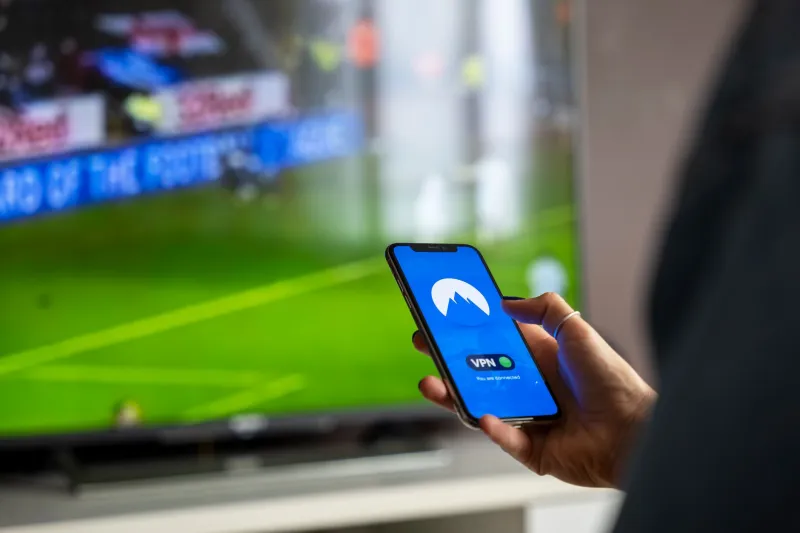
And for franchises with long histories, the problem compounds. Someone who wants to get into a beloved series in 2025 might need to piece together their watch path from three different platforms, a physical Blu-ray purchase, and a region-locked streaming service accessible only through a VPN. That's not a fan experience. That's a treasure hunt with a subscription fee at every waypoint.
The Crunchyroll Consolidation and Its Limits
The merger of Crunchyroll and Funimation under Sony was supposed to help with this. In theory, consolidating two of the biggest anime streaming libraries under one roof should reduce fragmentation. In practice, the transition has been rocky — titles have disappeared during the migration, dub availability has been inconsistent, and the platform's interface has drawn sustained criticism from users who preferred the previous experience.
Consolidation helps, but it can't fix the problem entirely as long as Netflix, Amazon, and Disney continue acquiring exclusive rights to major titles. You can't consolidate your way out of a market where multiple well-funded competitors are actively competing to keep content siloed.
What Fans Actually Want
This isn't a complicated ask. Fans want to watch the shows they love without needing a spreadsheet to figure out which platform has which arc, without being locked out of the communal conversation because of a licensing deal, and without paying for five different services to follow a single franchise across its run.
The streaming wars were sold to consumers as competition that would benefit them. For anime fandom, the reality has been almost the opposite: more options, less access, and a fandom experience that's more fractured and more expensive than it's ever been.
Somebody's winning this war. It's just not the fans.