Same Name, Different Soul: When Anime Sequels Completely Reinvented Themselves
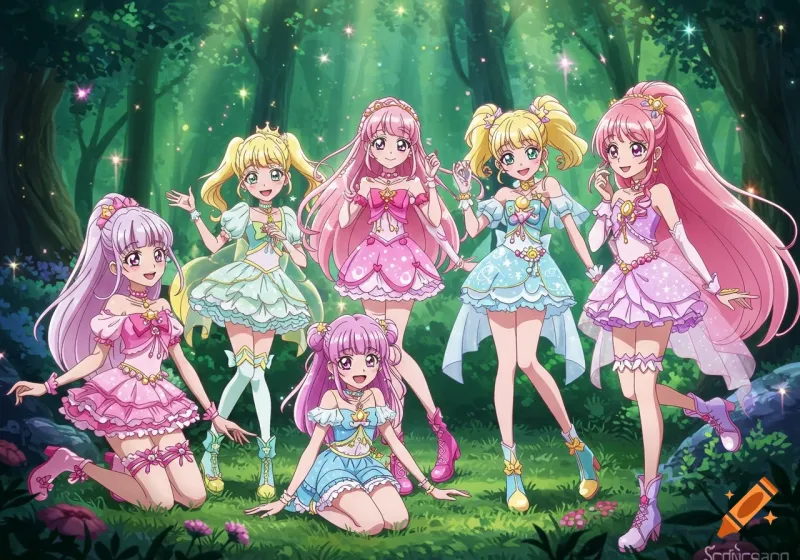
Photo: anime series comparison old and new art style split screen, via media.craiyon.com
There's a specific kind of anxiety that hits when a beloved anime gets a sequel announcement after years of silence. It's not quite excitement and it's not quite dread — it's somewhere in the middle, this weird held-breath moment where you think, okay, but what are they going to do to it?
Sometimes the answer is: something genuinely brilliant. Sometimes the answer is: something that makes you want to go back in time and stop yourself from getting excited. And sometimes — the most interesting cases — the answer is something completely different from what you expected, and the jury's still out on whether that's good.
Let's talk about the sequels that didn't just continue a story. They transformed it.
When "More" Means "Different"
The easy version of a sequel is more of the same. Same tone, same cast, same energy — just new episodes. Fans usually like this. It's comfortable. It's why certain long-running shonen series can run for decades without anyone panicking about identity drift.
But some franchises, when they come back, come back changed. Different enough that you have to ask whether it's really a sequel at all, or just a new show wearing a familiar name.
Fruits Basket (2019) is an interesting starting point. The original 2001 adaptation was beloved but incomplete — it diverged from the manga and ended without resolution. The 2019 reboot didn't just finish the story. It came back with a noticeably different visual approach, a more consistent emotional tone, and a willingness to sit with the darker elements of the source material that the original largely softened. For most fans, this worked beautifully. It felt less like a betrayal and more like a promise finally kept.
But the Fruits Basket situation was relatively clean — the reboot had the original creator's involvement and a clear mandate to honor the manga. Not every reinvention has that luxury.
The Tonal Whiplash Problem
Here's where it gets messy. Some sequels return with a dramatically different mood, and that shift can feel like a gut punch depending on what you loved about the original.
Digimon is a franchise that's done this repeatedly across its various iterations, but Digimon Adventure tri. (2015-2018) is the case study everyone points to. The original Adventure was a kids' series with genuine heart — big emotions, simple stakes, a story about growing up told through the lens of digital monsters. Tri. came back targeting the adults who grew up with those characters and brought with it a slower pace, heavier themes, and an aesthetic that leaned melancholy.
US fans were deeply split. Some found it a mature, affecting continuation. Others felt like it had swapped out the soul of the original for a kind of self-conscious prestige-anime vibe that didn't quite earn its weight. Both reactions are valid. Tri. is a sequel that knew its audience had aged but wasn't entirely sure what to do with that knowledge.
Art Style as Identity Crisis
Visual reinvention is its own category of sequel shock. When a series returns with a noticeably different art direction, fans can feel disoriented in a way that's hard to articulate — it's not just that things look different, it's that the visual language of a show is part of how it communicates. Change the look dramatically enough and you change what the show feels like to inhabit.
Hunter x Hunter (2011) handled this better than most. Madhouse's remake of the 1999 Nippon Animation version updated the visual style significantly — cleaner lines, brighter palette, more modern character design — but it also went further into the manga's story than its predecessor. For most Western fans who came to the franchise through the 2011 version, it's simply the version. But longtime fans of the original still debate whether the remake's polish came at the cost of the grittier, slightly unpolished charm of the first adaptation.
It's a fascinating split because both shows are genuinely good. The disagreement isn't about quality — it's about which aesthetic identity you bonded with first.
The Soft Reboot Gamble
Then there's the soft reboot: same world, new characters, a timeline shift that lets the creators start fresh without fully abandoning what came before. Dragon Ball Super occupies this space — it's technically a continuation of Z, but it so dramatically expanded the scope and introduced so many new concepts that it functions almost as a parallel universe for fans who grew up with the original.
The results were polarizing in a way that's almost textbook. Longtime fans who loved the contained, grounded (well, relatively grounded) stakes of early Dragon Ball found Super overwhelming. Newer fans embraced it completely. The franchise survived and thrived, but it's genuinely hard to argue it's the same kind of thing it used to be.
When the Reinvention Actually Works
For all the hand-wringing, some late-stage reinventions are just good. Jojo's Bizarre Adventure is arguably a franchise that gets better the more it reinvents itself — each part shifts genre, tone, protagonist, and sometimes even animation style, and somehow the whole thing coheres into something bigger than any individual arc.
The lesson there might be that reinvention works best when it feels intentional rather than reactive. Jojo doesn't change because it's chasing a new audience or trying to fix something broken. It changes because the story demands it, and the weirdness is the point.
What Makes or Breaks the Comeback
After looking at enough of these cases, a few patterns emerge.
Sequels that reinvent successfully tend to have a clear reason for the change — a story that needed to go somewhere new, or a creative team with a genuine vision rather than a mandate to produce more content. They also tend to respect what made the original work, even if they're deliberately departing from it. You can feel the love for the source material even when the new direction is bold.
The ones that fall flat usually have the opposite problem. The reinvention feels like a correction — like someone decided the original was wrong about something and went about fixing it, without asking whether fans wanted it fixed.
At the end of the day, we watch anime because these stories mean something to us. When a sequel comes back changed, the question isn't really whether it's different — it's whether it's honest. Whether the people making it actually care about what they're building.
The best reinventions feel like evolution. The worst feel like a stranger wearing your friend's face.
We'll keep watching either way, obviously. But we'll have opinions about it.