Sorry, Hero — We're Cheering for the Other Guy: Anime Villains Who Stole Our Hearts
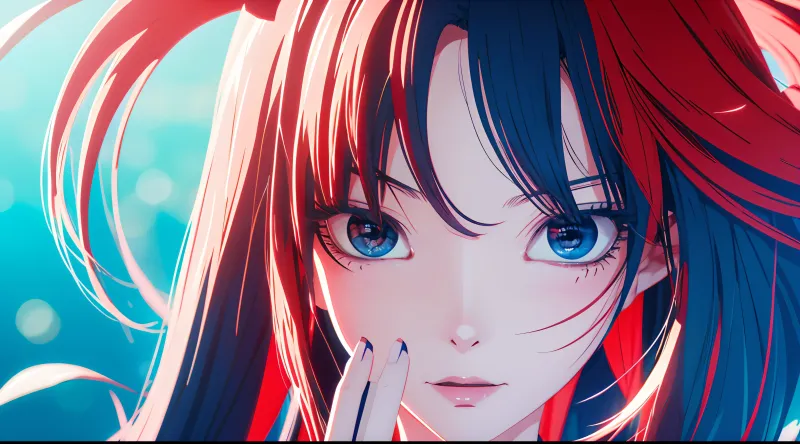
Photo: anime villain dramatic pose dark aesthetic, via image.cdn2.seaart.ai
There's a specific moment every anime fan knows. You're watching an episode, the villain delivers some devastating monologue or pulls off a move so brilliantly calculated it makes your jaw drop, and then it hits you — you're not rooting for the hero anymore. Maybe you haven't been for a while. You just didn't want to admit it.
This isn't a bug in the storytelling. It's a feature. Some of the most celebrated anime of the last two decades have built their cultural staying power not on lovable protagonists, but on antagonists so compelling that fandom debates still rage over whether they were actually wrong. Let's talk about why that happens, and which characters pulled it off best.
The Lelouch Problem (And Why It's Not Really a Problem)
If there's a patron saint of "villain we couldn't stop rooting for," it's Lelouch vi Britannia from Code Geass. On paper, this guy is a monster. He manipulates entire populations, sacrifices people he claims to care about, and operates with a level of cold calculation that should be repellent. But here's the thing — the show gives you his perspective first. You understand his rage against an empire that crushed his mother and discarded his sister. By the time his methods get truly dark, you've already emotionally signed on.
This is the first major trick great anime writing pulls: front-load the empathy, complicate the methods later. By the time Lelouch does something genuinely awful, fans aren't horrified — they're arguing about whether it was necessary. That's a completely different emotional response than disgust, and it's intentional.
The US fanbase particularly latched onto Lelouch because he fits a recognizable archetype — the brilliant outsider dismantling a corrupt system — that resonates in American storytelling too. Think Walter White, think Frank Underwood. We're culturally primed to follow a smart, ruthless person tearing down institutions, even when we probably shouldn't.
Doflamingo and the Charisma Tax
Donquixote Doflamingo from One Piece operates on a completely different axis. Where Lelouch earns sympathy through tragic backstory and relatable goals, Doflamingo earns it through sheer, weaponized charisma. The man runs a criminal empire, enslaved people for sport, and treats cruelty like a hobby — and yet the Dressrosa arc made him one of the most talked-about antagonists the series had ever produced.
Part of it is visual. Doflamingo's design is iconic — the feathered coat, the constant grin, the way he moves like he owns every room he walks into. But the writing backs it up. His philosophy, while horrifying, is internally consistent. He doesn't pretend the world is fair. He just decided to be the one exploiting that unfairness rather than suffering under it. There's a twisted logic there that's hard to dismiss entirely, especially when the World Government — supposedly the "good guys" — gets exposed as equally corrupt.
This brings up the second major trick: make the heroes' side morally compromised too. When the official forces of justice are shown to be hypocrites, the villain's cynicism starts looking less like evil and more like clarity.
Aizen Sosuke: The Villain Who Was Always Three Steps Ahead of Our Skepticism
Aizen's reveal in Bleach is still one of the great gut-punch moments in shonen history. The quiet, gentle captain who turned out to have been manipulating everything from the very beginning didn't just shock audiences — he retroactively recontextualized everything they'd watched. And instead of feeling cheated, a significant chunk of the fanbase felt delighted.
Why? Because Aizen's plan was so elegant, so thoroughly constructed, that admiring it felt almost involuntary. He's the anime equivalent of watching a heist movie and realizing you've been rooting for the thieves the whole time. His goal — overthrowing the celestial order because he found it absurd and limiting — taps into a kind of cosmic rebelliousness that's genuinely appealing if you don't think too hard about the body count.
Aizen also benefits from the competence heuristic: humans are wired to respect and follow people who appear to know exactly what they're doing. Aizen always knows exactly what he's doing. Even when Ichigo eventually surpasses him, it doesn't fully erase the impression of someone who bent reality to his will through pure intellectual dominance.
What These Characters Actually Have in Common
Strip away the specifics and a pattern emerges. The anime villains who win over audiences tend to share a few core qualities:
- Comprehensible motivation. Not necessarily sympathetic — but understandable. You can follow the logic even if you reject the conclusions.
- Competence that commands respect. They're not bumbling. They're terrifyingly good at what they do.
- A critique of the status quo that lands. Often, these characters are pointing at something genuinely broken in their world, even if their solution is catastrophic.
- Personal style that's hard to look away from. Whether it's Lelouch's chess-master theatrics or Doflamingo's unhinged confidence, they're just more interesting to watch than the hero in a given moment.
The Real Question: Was the Hero Actually Right?
Here's where it gets uncomfortable. A lot of "villain fan" discourse gets dismissed as edgy contrarianism — people just liking the cool bad guy without engaging seriously. But the best cases genuinely invite the question.
Was Lelouch's Zero Requiem actually the only path to peace, or was it a final act of ego dressed up as sacrifice? Was Doflamingo wrong that the powerful will always exploit the weak, and that the World Government's morality is performative? Is Aizen's contempt for the Soul Society's rigid hierarchy actually unjustified given how the series reveals that hierarchy to function?
These aren't questions with clean answers, and that's the point. The greatest anime antagonists don't exist to be defeated. They exist to lodge a question in your head that the hero's victory doesn't fully resolve.
That's why we keep coming back to them long after the story ends. The hero got the win. But the villain made us think.
And sometimes, honestly? That feels like the better deal.