Couch Potato Champions: Why Anime's Most Unmotivated Heroes Keep Saving the Day
There's a specific kind of joy that comes from watching someone who absolutely does not want to be a hero somehow stumble into saving civilization anyway. It's messy, it's funny, and honestly? It hits differently than watching Naruto scream his way to the top for the hundredth time. Here at Saiteiyarou no SF Sekai, we've got a soft spot for the slackers, the schemers, and the supremely bored — and we're pretty sure you do too.
The Gold Standard: Saitama and the Curse of Effortless Power
If you want to talk about reluctant heroes, you have to start with Saitama from One Punch Man. The guy trained so hard he lost his hair and gained the ability to end any fight with a single blow. Sounds great, right? Except now he's completely numb to combat because nothing challenges him anymore. He wanders through monster attacks like he's stuck in a grocery store trying to remember if he needs milk.
What makes Saitama resonate so hard with American audiences specifically is that his crisis isn't about power — it's about purpose. He wanted to be a hero for fun, and now the fun is completely gone. That's a weirdly relatable mid-life-crisis energy wrapped up in a superhero parody. The joke lands because we've all felt that version of burnout: working toward something, achieving it, and then wondering why we feel absolutely nothing.
His laziness isn't even traditional laziness either. He shows up. He does the job. He just does it without any of the passion the genre usually demands, and somehow that makes him more compelling than half the protagonists screaming about surpassing their limits.
Ainz Ooal Gown: The Accidental Overlord
Then there's Ainz from Overlord, who is technically a god-tier undead sorcerer ruling over a massive dungeon kingdom — and who is also just a regular Japanese salaryman who got trapped in a video game. His whole deal is that everyone around him assumes his every move is a calculated act of genius, when in reality he's mostly winging it and hoping nobody notices.
His reluctance is different from Saitama's. Ainz isn't bored — he's overwhelmed. He's playing a role he never asked for, surrounded by fanatically loyal NPCs who would burn the world down if they thought it pleased him. The comedy and tension come from watching him scramble to maintain the illusion of omnipotence while internally screaming.
For fans in the US, especially those who grew up playing MMORPGs, Ainz hits a very specific nostalgia nerve. He's basically the fantasy of being overpowered in your favorite game, except the game became real and now you have to actually run the guild. Forever. With no logout button.
Tanya Degurechaff: The Cynical Schemer Who Keeps Accidentally Winning
Now here's a spicy one. Tanya from The Saga of Tanya the Evil is technically not lazy — she's extremely hardworking. But her goals are completely self-serving. She wants a safe desk job far from the front lines, and every single attempt to secure that cushy position somehow results in her becoming a more decorated and feared military commander.
She's not trying to save the world. She's trying to save herself. The fact that her ruthless efficiency keeps benefiting her nation is almost entirely incidental. Tanya subverts the hero archetype from a completely different angle than Saitama or Ainz: she's competent, motivated, and driven — just entirely toward the wrong things by traditional hero standards.
And yet fans love her. Because watching someone scheme their way through a fantasy WWI setting while cursing out a god is genuinely entertaining, and her frustration at being forced into a heroic role she never wanted mirrors something a lot of people feel about expectations placed on them.
Why American Fans Specifically Connect With This Archetype
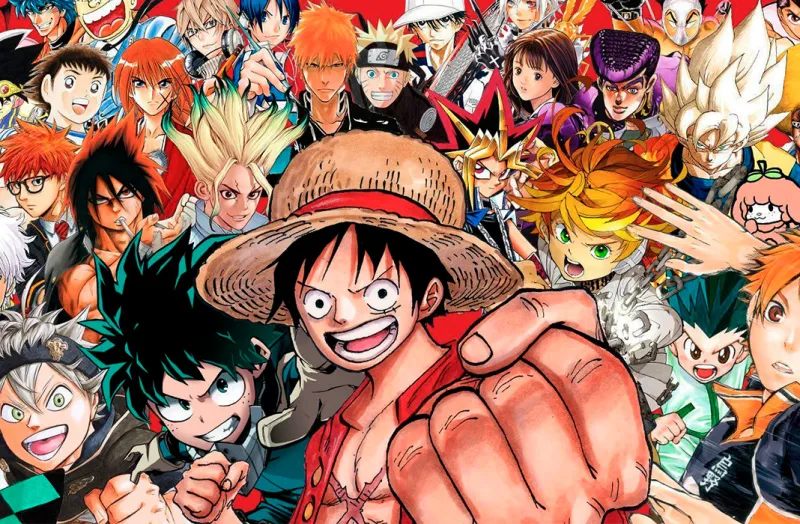
Here's the thing about the US anime community — there's always been a tension between loving the classic shonen energy (Goku, Naruto, Luffy, the whole crew) and craving something that pushes back against it. The reluctant hero archetype does exactly that.
There's also a generational thing happening. A lot of current anime fans in their 20s and 30s grew up with the traditional hero grind as the default mode, and now they're in a world where hustle culture is being openly questioned. Watching a protagonist succeed while actively resisting the pressure to be exceptional or passionate feels genuinely cathartic. It's not that these characters are role models — it's that their existence is validating in a weird, specific way.
Plus, comedically, they just work. The gap between a character's attitude and their actual impact creates a constant source of humor that never really gets old.
The Subversion That Strengthens the Genre
Here's the counterintuitive part: these lazy, reluctant, or self-interested heroes actually make traditional shonen protagonists look better by contrast. When you've spent a few episodes with Ainz awkwardly faking omniscience, going back to a character who genuinely burns with conviction hits harder. The archetypes feed each other.
And the best reluctant hero stories — One Punch Man, KonoSuba, Overlord, Tanya the Evil — aren't actually rejecting the idea of heroism. They're interrogating it. What does it mean to be a hero if you don't feel anything? What if your heroism is a byproduct of pure selfishness? What if the hero is just some overwhelmed guy trying not to get fired?
Those are more interesting questions than "how do I get stronger," and anime has been running with them in increasingly creative ways.
Final Thoughts
The reluctant hero isn't a new concept — literature has been playing with it forever. But anime has found a uniquely expressive way to take that archetype and push it to absurd, hilarious, and sometimes genuinely moving extremes. Whether it's Saitama staring into the void between punches or Ainz suppressing an internal panic attack while his subordinates bow in reverence, these characters connect because they're honest about something most heroic stories paper over: saving the world is exhausting, and sometimes the person doing it really, really didn't sign up for this.
And honestly? Same.