Panels vs. Pixels: The Manga Adaptations That Broke Our Hearts (And a Few That Didn't)
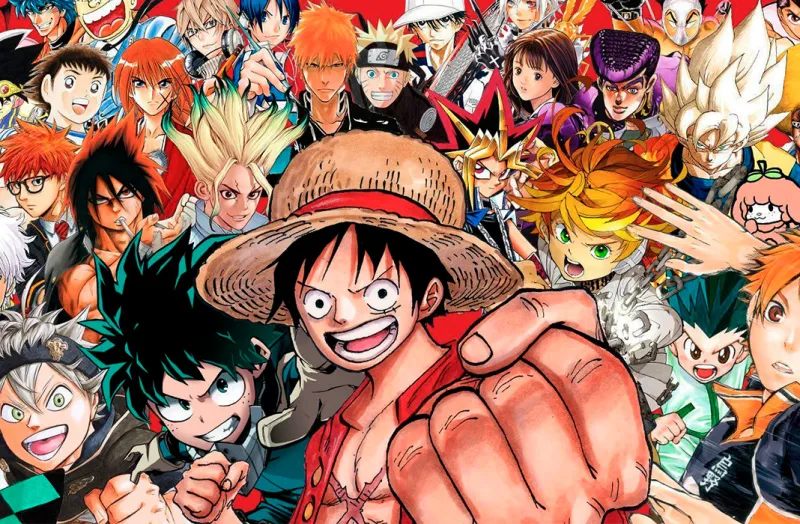
Photo: manga book open next to laptop screen anime comparison, via blog.en.uptodown.com
Every manga fan knows the specific dread that comes with an adaptation announcement. It's not pure excitement — it's excitement mixed with anxiety, like hearing your favorite local restaurant is expanding to a second location. Maybe it'll be great. Maybe it'll ruin the original. Here at Saiteiyarou no SF Sekai, we've been burned enough times to have opinions, and we're sharing them.
Let's get into the adaptations that genuinely let people down, why they stumbled, and — because fairness matters — a few examples of studios that actually got it right.
The Pacing Problem: When Studios Stretch or Squeeze Too Hard
Pacing is probably the single most common way a manga adaptation falls apart. Manga readers consume content at their own speed — you can blow through a tense fight sequence in thirty seconds or sit with a quiet emotional moment for as long as you want. Anime doesn't have that flexibility. It has a runtime, and what studios do with that runtime can make or break the entire experience.
Berserk (2016) is the case study nobody wants to keep revisiting but can't stop bringing up. The original 1997 series, despite its limitations, had a rawness and genuine emotional weight. The 2016 reboot attempted to cover material fans had been waiting decades to see animated — and delivered it in some of the most visually jarring CGI the medium has produced. The pacing was choppy, key scenes felt rushed, and the tonal atmosphere that makes Berserk what it is got completely lost in the shuffle.
Community members we've heard from consistently bring up the same feeling: not just disappointment, but a specific kind of grief. You waited years for this. You told your friends who only watch anime to wait, because the manga was worth it. And then you had to watch their faces when the adaptation dropped.
Character Cuts: The Casualties Nobody Talks About Enough
When a manga has a sprawling cast — and a lot of the best ones do — adaptation teams have to make cuts. That's understandable. What's less understandable is when those cuts gut the emotional logic of the story.
Tokyo Ghoul is a painful example of this. The first season? Pretty solid. It captured the horror and tragedy of Kaneki's transformation well enough that it brought in a huge new wave of fans stateside. Then Tokyo Ghoul √A happened — an anime-original second season that deviated significantly from the manga — and then Tokyo Ghoul:re tried to compress a massive amount of source material into a limited episode count with characters who hadn't been properly established.
Fans who read the manga felt like they were watching a highlight reel of a movie they loved. Fans who only watched the anime were just confused. Neither group was really served, and a genuinely compelling story about identity, belonging, and monstrosity got reduced to a series of increasingly bewildering plot developments.
The character cuts weren't just about losing screen time — they removed the context that made the remaining characters' choices meaningful. Without that scaffolding, the emotional payoffs just don't land.
Tonal Shifts: When the Vibe Gets Lost in Translation
Some manga have a very specific atmosphere that's hard to pin down but immediately obvious when it's missing. Promised Neverland Season 1 absolutely nailed this — the tension, the claustrophobia, the sense that every small moment carried enormous stakes. It was a masterclass in adapting psychological horror manga.
Season 2 is the cautionary tale. Deviating heavily from the source material, it compressed or outright skipped entire arcs that fans considered essential to the story's themes and emotional payoff. Characters who were supposed to get significant development barely appeared. Plot points that the manga spent chapters building toward were resolved in what felt like minutes.
The tonal shift was the most damaging part. Season 1 felt like a thriller. Season 2 felt like a rushed summary. The community response was intense — not just criticism, but genuine sadness that something they'd loved so much had been handled so carelessly in its final stretch.
What Studios Actually Got Right
It's not all doom and gloom, though. Some adaptations genuinely honor their source material while also working as standalone experiences.
Fullmetal Alchemist: Brotherhood remains the gold standard. It had the benefit of a completed manga to adapt faithfully, a studio that clearly cared deeply about pacing and character, and enough episodes to actually tell the story properly. It's still regularly cited as one of the greatest anime of all time, and it absolutely earned that reputation.
More recently, Vinland Saga from Wit Studio and later MAPPA has been a genuine success story. The adaptation preserves the manga's moral complexity and refuses to simplify its themes for easier consumption. Fans of the manga have largely been thrilled, and new viewers have been pulled in to pick up the source material afterward — which is honestly the best possible outcome.
Chainsaw Man from MAPPA generated some debate about stylistic choices, but the core of what makes the manga work — its irreverence, its genuine emotional gut-punches, its refusal to be a normal shonen — came through clearly enough that both camps could find things to appreciate.
The Common Thread in Every Failure
Looking at the adaptations that disappointed, a pattern emerges. It's rarely a single catastrophic decision — it's usually a series of smaller compromises that compound. Cut this character because there's no time. Rush this arc because the season needs to end somewhere. Change this scene because it's easier to animate differently. Each choice seems defensible in isolation, and together they hollow out the thing that made the original special.
The manga fan community in the US has gotten more vocal about this over the years, partly because access to source material has never been easier. Platforms like Viz, Crunchyroll Manga, and Manga Plus have made it simple to read ahead or go back to the source after a disappointing episode. That accessibility raises expectations — and makes the shortfalls more visible.
What We Actually Want
At the end of the day, the ask isn't complicated. Fans don't need a perfect panel-for-panel recreation. They need adaptations that understand why the source material matters and make choices that honor that understanding — even when compromises are necessary.
The studios that get it right tend to approach adaptation as a creative act of translation, not just a production pipeline. The ones that get it wrong tend to treat the source material as raw content to be processed rather than a story worth caring about.
We'll keep watching. We'll keep hoping. And we'll absolutely keep talking about it.